
- Sevil Kaderli
Once a tooth is removed, it requires time to heal without any complications. However, tooth extraction infection symptoms may occur if bacteria enter the open socket. These infections often cause pain, swelling, and delayed recovery.
This article will explain how to notice the signs and what dental treatment can help. Keep reading to learn more.
| Treatment | Prices in £ | Prices in € |
|---|---|---|
| Extraction (Simple) | £30 | €34 |
| Extraction (Surgical) | £89 | €100 |
What Is a Tooth Extraction Infection?
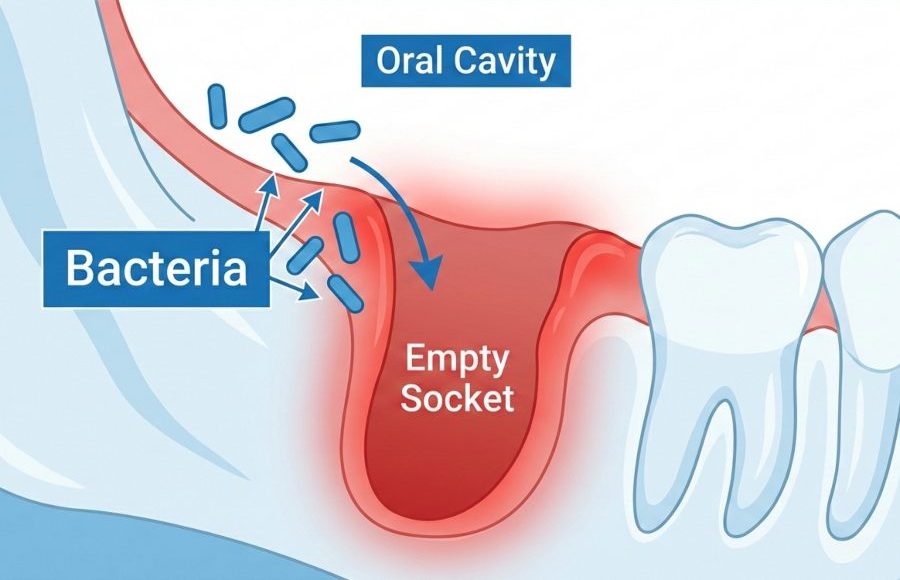
This infection happens when bacteria enter the empty socket left after a tooth is removed. The open area may keep food or bacteria inside. This condition may inflame nearby tissue, delay normal healing, and cause pain.
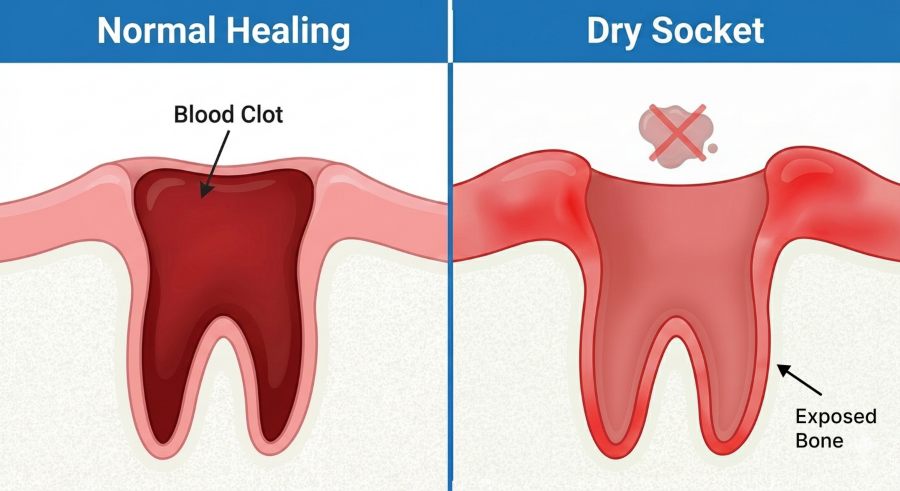
Infections can begin a few days after the surgery. The risk increases if the area is not kept clean or if the blood clot protecting the socket gets disturbed.
| Dry Socket | Infection | |
|---|---|---|
| Onset | 2–5 days post-extraction | 1–3 days post-extraction |
| Pain | Severe, throbbing, may spread | Increasing, dull or sharp |
| Swelling | Usually minimal | Common, often with redness |
| Discharge | Rare | Possible pus or bad odor |
| Fever | Absent | May be present |
Common Symptoms of Infection After Tooth Extraction
Certain signs can show that bacteria have entered the area. Below are the main symptoms of infection after tooth extraction that may appear.
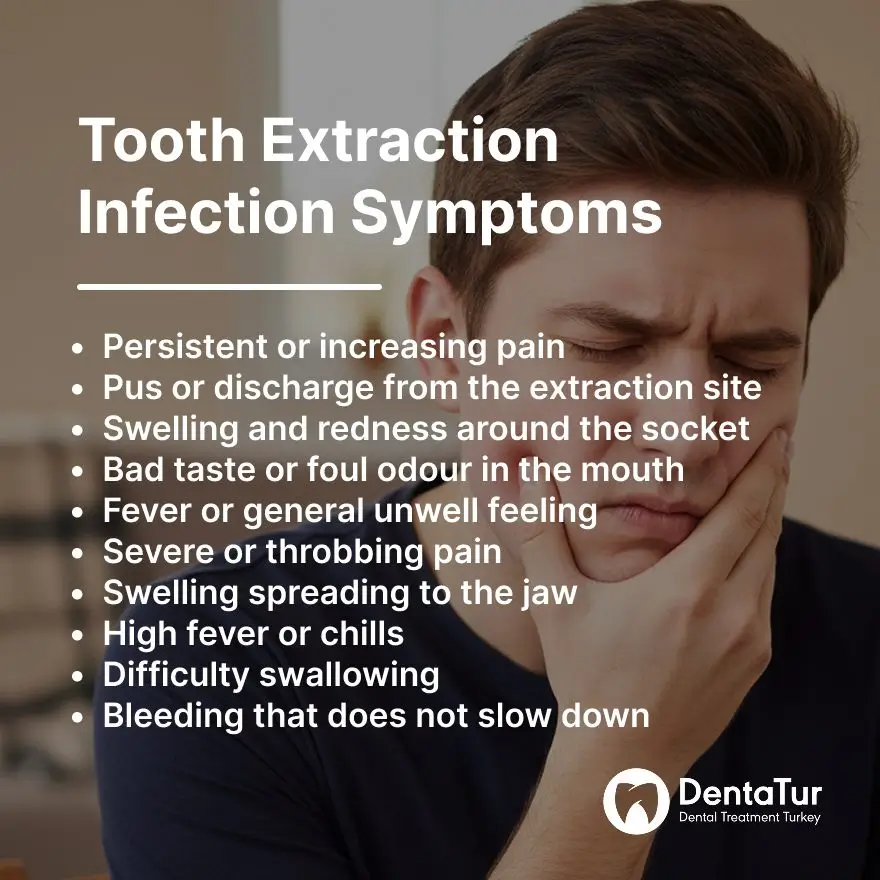
Persistent or increasing pain
Pain that does not lessen within a few days can point to an infection. The discomfort may spread to the jaw or other parts of the mouth. The area might feel sore when touched or when chewing, even though the pain should normally decrease within a few hours as the socket heals.
Pus or discharge from the extraction site
A yellow or white fluid that collects in the socket or along the gum line is a sign of infection. The liquid may have an unpleasant smell and can irritate nearby tissues. This means that bacteria are active in the wound and need medical care.
Swelling and redness around the socket
The gum near the extraction site can look red and feel warm or tender. Swelling that increases instead of shrinking shows that the tissue is inflamed. The cheek or jaw may also appear puffy, which makes it difficult to eat comfortably.
Bad taste or foul odour in the mouth
A bitter or unpleasant taste that stays even after rinsing may indicate infected tissue. The same bacteria causing the infection can create a strong odour. This smell often becomes more noticeable when speaking or breathing.
Fever or general unwell feeling
A mild fever, tiredness or body pain may appear as the infection spreads beyond the socket. These signs mean the body tries to fight the bacteria. When a person feels weak or feverish after an extraction, it is important to contact a dentist for advice and treatment.
When to Seek Emergency Dental Help
Sometimes, an infection causes severe problems. If the pain becomes strong or other symptoms appear in different parts of the mouth, you should contact a dentist. Quick dental treatment can prevent further damage and protect overall health.
Certain infection after tooth extraction signs and symptoms show that the problem is more than just normal swelling after extraction. These signs mean urgent dental care is needed:
- Severe or throbbing pain that does not stop with painkillers.
- Swelling spreading to the jaw.
- High fever or chills.
- Difficulty swallowing.
- Bleeding that does not slow down.
Main Causes of Infection After Tooth Extraction
A few factors can interrupt the normal healing process and let bacteria grow inside the empty socket. Below are the reasons why an infection can develop.
| Dry Socket | Infection | |
|---|---|---|
| Cause | The blood clot dislodges/dissolves, exposing the bone | Bacteria invade the wound site |
| Onset | Usually starts 2–4 days after extraction | Can happen anytime, but often worsens after day 3 |
| Pain | Intense, throbbing, often radiates to ear/neck | Worsening, dull or sharp pain |
| Visuals | Bone is visible (white/grey look); socket looks "empty" | Red, swollen gum tissue; pus may be visible |
Bacteria entering the socket
Dislodged blood clot (dry socket)
Poor oral hygiene
Smoking or existing dental infection
Popular Treatments
How Dentists Treat a Tooth Extraction Infection
An extraction infection requires professional care to stop bacteria from spreading and help the area heal. Below are the main ways dentists treat this problem.

Cleaning and draining the infected area
The dentist first removes any trapped food, pus or dead tissue from the socket. This cleaning helps reduce bacterial growth and makes eating and speaking more comfortable. Sometimes, the area may be drained to release fluid and ease pressure.
Antibiotic treatment
If the infection spreads, the dentist may give antibiotics. They kill bacteria and stop the infection from moving to other areas. Finish the full course even if the infection symptoms after tooth extraction get better early.
Pain and swelling management
Dentists may suggest painkillers to lower pain. Placing a cold compress on the cheek can also ease the soreness. This care helps the patient eat and speak more comfortably during recovery.
Follow-up care
After the initial dental treatment, a follow-up appointment allows the dentist to check the healing progress. The dentist examines the socket and removes any remaining infection. Patients need to follow all post-treatment instructions to avoid further complications.
At-Home Care and Pain Relief Tips
Good care can help the mouth heal faster. Below, we will look at simple steps that can reduce pain and keep the area clean during recovery.

Rinse gently with salt water
Avoid smoking and alcohol
Eat soft foods for several days
Keep the area clean and protected
Professional Dental Care at Dentatur
At Dentatur, we pay special attention to every step of your dental treatment. Our team helps prevent and cure infections using safe methods and personal care. Check what makes our clinic a trusted option for safe treatment.
Experienced dentists
Our team consists of professionals who have treated numerous cases of tooth extractions and infections. Each dentist takes time to study the condition of the patient and choose the right treatment. Their knowledge helps reduce pain and guide patients through safe healing.

Dr. Sevil Kaderli
Chief Physician, CEO, and Founder of DentaTur

Dt. Dr. Eren Özil
DDS Oral and Maxillofacial Surgeon
Modern technology
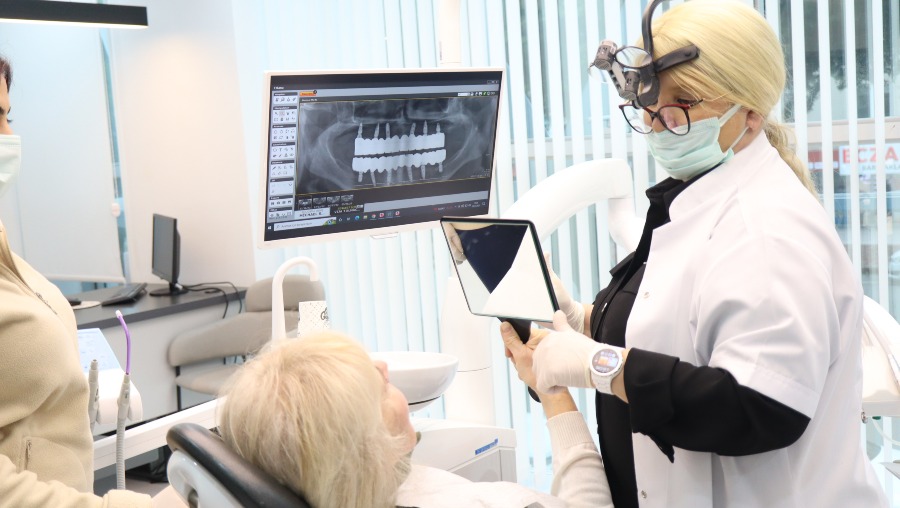
We use digital X-rays and sterile tools to detect infection and clean the affected area. The technology helps us reach problem spots without harming surrounding tissues. With the help of these methods, treatment becomes faster and more comfortable for patients.

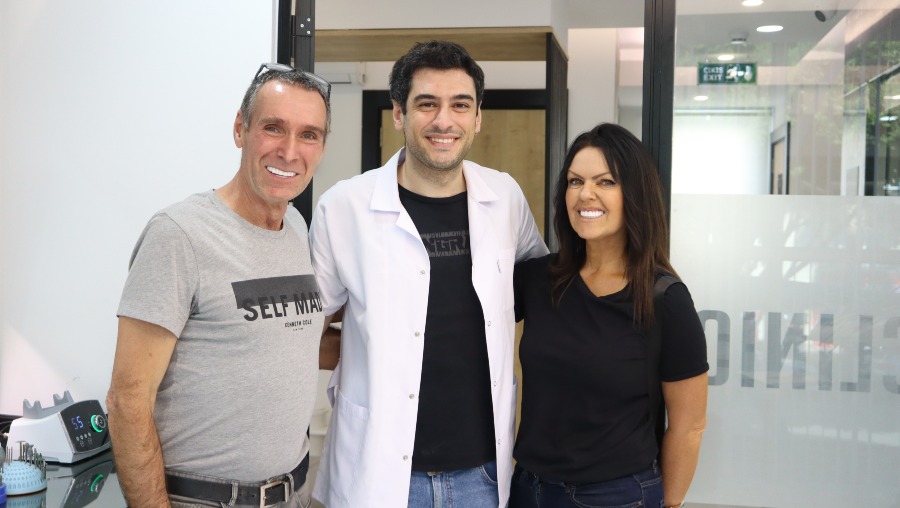


Patient testimonials and successful recoveries
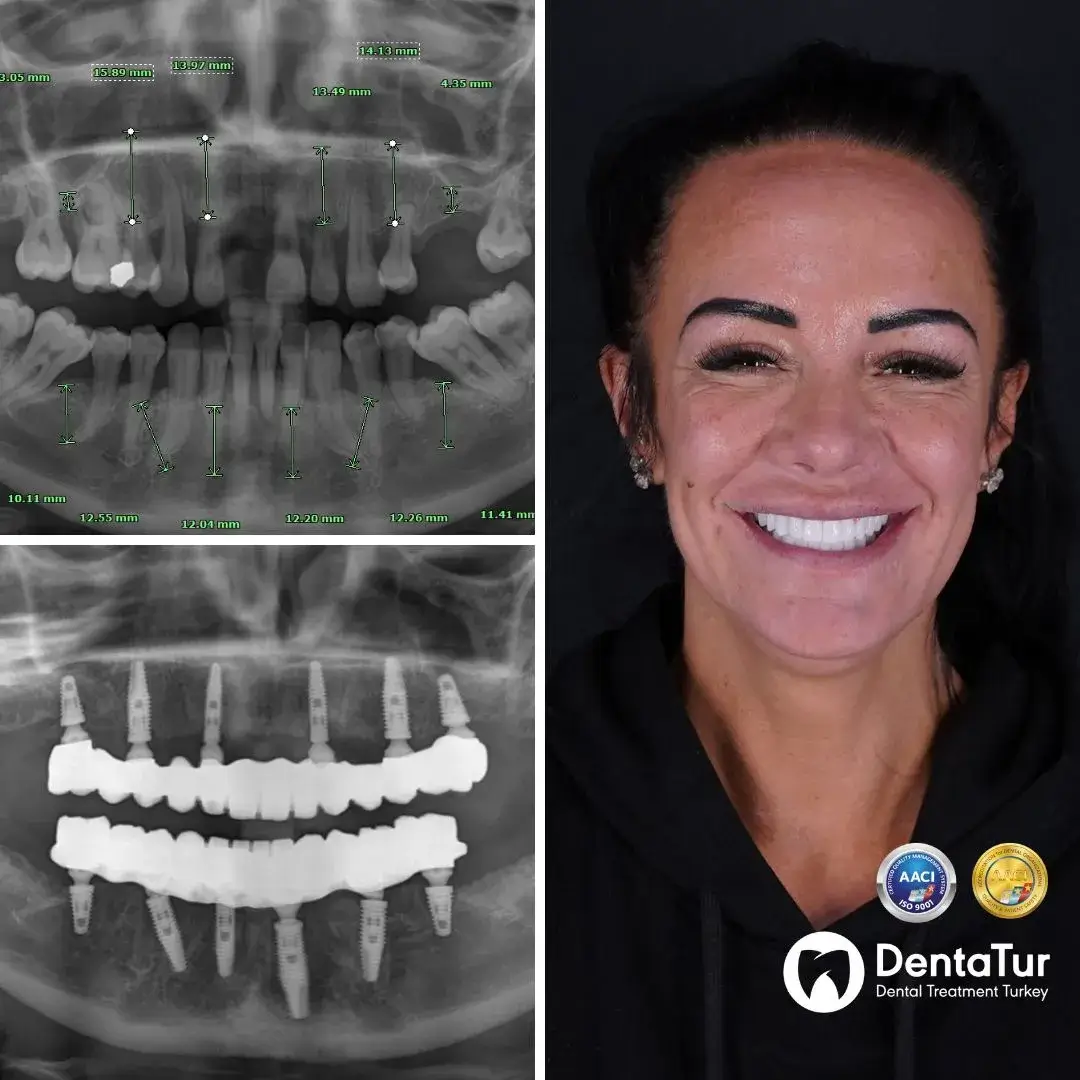
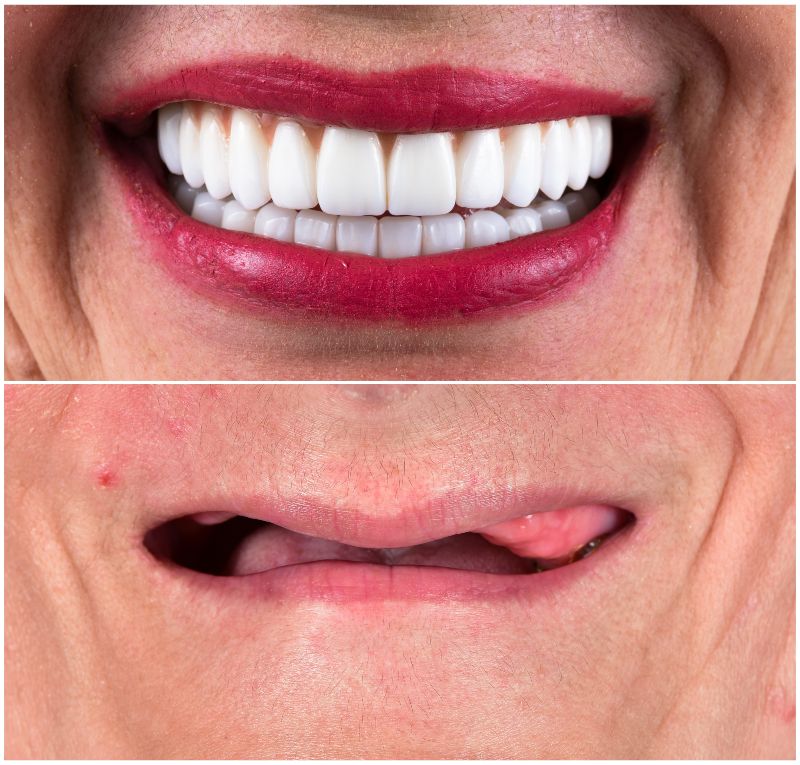
Many patients have returned to full comfort after treatment at our clinic. Below, you can check their stories and see how proper dental attention can make recovery smoother.
If you notice any infection symptoms, contact our dental team today for quick and safe treatment.







Founder of Dentatur Dental Clinic in Turkey, with 25+ years of experience in implantology and aesthetic dentistry. She treats international patients seeking natural, long-lasting smile makeovers using advanced technology.
Share This Story!
Recommended Posts



Leave a Comment
Your email address will not be published. Required fields are marked*
